
Best Outdoor Generator Covers for Year-Round Protection
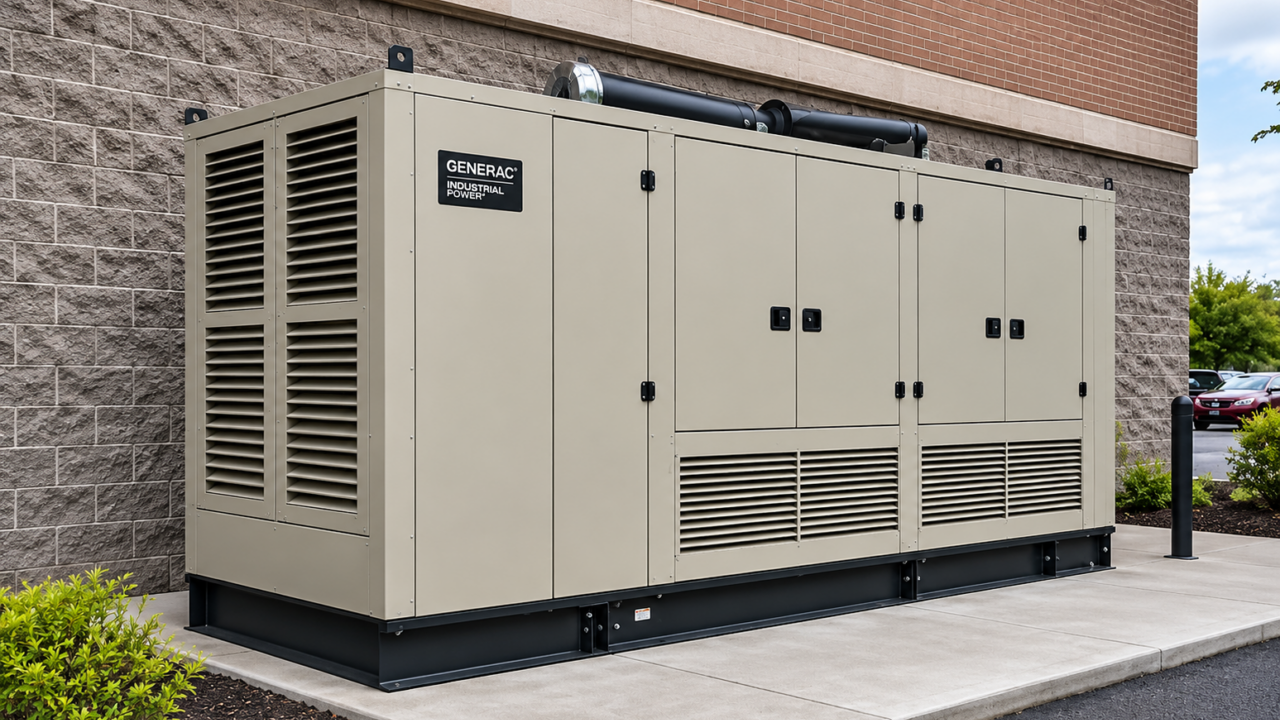
The wrong cover can trap heat, restrict exhaust, or leave a generator exposed when severe weather arrives. Those risks change depending on whether the unit is stored, running, or permanently installed. Choosing outdoor generator covers starts with how the equipment will be used and what the protection must handle throughout the year.
Choosing Outdoor Generator Covers by How You Use the Generator
Storage protection and operating protection are built for different conditions.
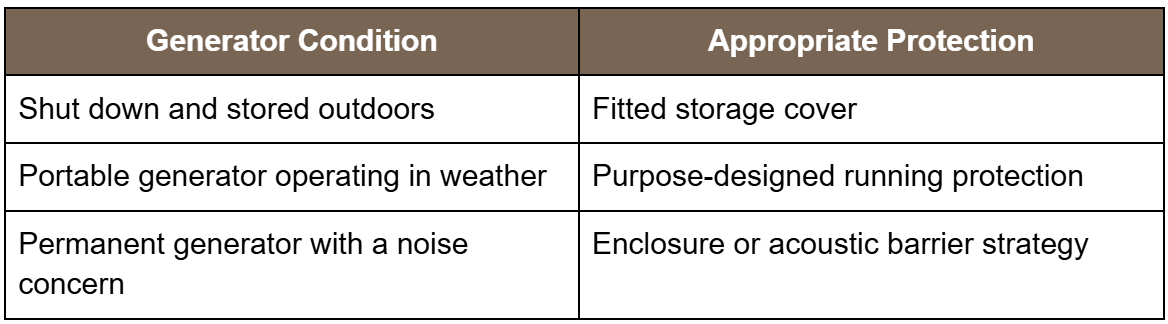
Storage Covers Protect Idle Equipment
Let the generator shut down and cool before putting a storage cover in place. A fitted cover can then shield the idle equipment between uses from weather, airborne dirt, and prolonged sun exposure. On a portable generator stored outdoors or under partial shelter, poor fit can leave openings for wind-driven debris or precipitation.
Size outdoor generator covers from the generator’s actual outside dimensions. Wattage alone does not account for handles, wheels, control housings, fuel caps, or the different shapes of open-frame and enclosed generators. Correct sizing is only part of the job because the cover also has to stay put in wind and through repeated use. Seams, tie-downs, elastic edges, buckles, and access openings should secure the cover without allowing unnecessary rubbing or snagging against controls and attached components.
Running Covers Protect Equipment During Operation
Once the generator has to run under cover, the selection criteria change. Protection left in place during operation must be specifically designed for that use, and a conventional storage cover should not remain over operating equipment unless the cover and generator manufacturer permit it.
Purpose-built running covers are designed around operating conditions rather than storage alone, so manufacturer instructions should control the final setup because cooling paths, exhaust configurations, and required clearances vary among models. The design should keep controls and required connections accessible without defeating the weather protection. Maintenance and refueling still have to follow the shutdown and cooling procedures in the generator manufacturer’s instructions.
What Year-Round Generator Protection Should Handle
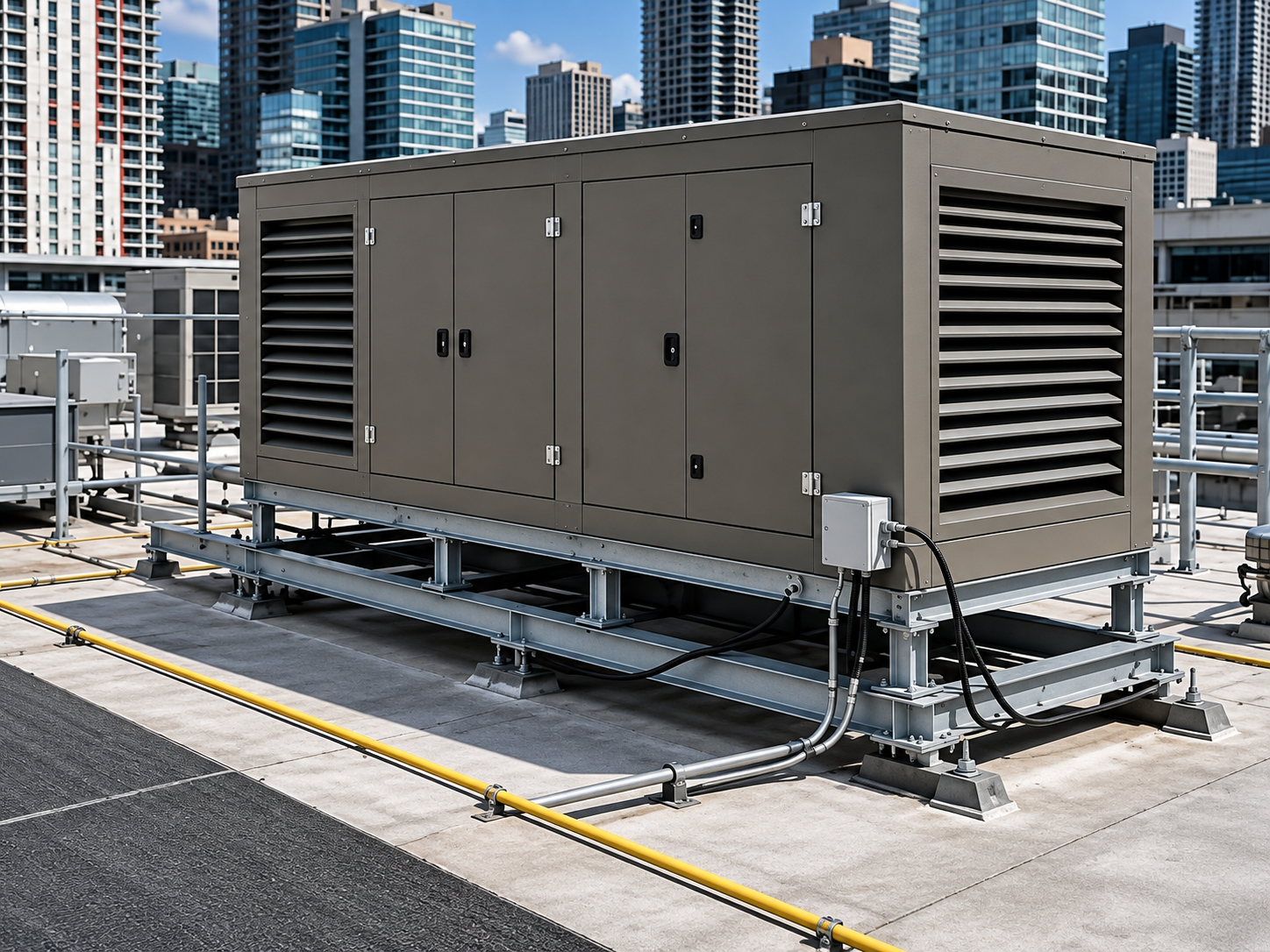
The cover’s materials and construction have to withstand the conditions it will face outdoors. Year-round exposure can include rainfall, snow, sunlight, wind, airborne debris, temperature swings, and trapped moisture. Storage covers and operating shelters are built differently because they work under different conditions. Fitted storage products often use woven synthetic fabrics with weather-resistant coatings, and operating shelters may use heavier coated fabric supported above the machine by a frame.
For covering outdoor generators through changing seasons, evaluate the complete cover rather than the material label alone:
- Water resistance: Construction should limit direct precipitation from reaching the equipment. Pay attention to seams and closures as well as the face material because water can reach the generator through gaps even when the fabric itself resists moisture.
- UV resistance: Materials exposed to prolonged sunlight need to tolerate repeated exterior exposure without deteriorating prematurely. Fading alone may be cosmetic, but cracking, brittleness, or loss of flexibility can eventually reduce the cover’s ability to stay secure.
- Seams and attachment points: Reinforcement can improve durability where wind repeatedly loads the cover. Check straps, elastic edges, buckles, and stitched attachment points periodically because these areas can wear faster than the main body of the cover.
- Fit and ventilation: A “waterproof” label does not account for seams, closures, ventilation openings, or gaps around the equipment. Outdoor generator covers that fit too loosely may admit wind-driven rain and debris. Make sure the generator surfaces are dry before covering the unit so moisture is not trapped beneath the cover.
- Condition over time: Inspect the cover after severe weather and during seasonal maintenance. Tears, opened seams, stretched retention points, damaged closures, or areas that no longer stay in position can reduce protection even when most of the material still looks serviceable. Repair damaged components when the cover design allows it, or replace the cover when deterioration prevents it from fitting securely and keeping normal outdoor exposure away from the equipment.
Ventilation and Exhaust Cannot Be an Afterthought
Weather protection must never create an unsafe operating setup. Before starting a portable generator, place it at least 20 feet from the home or another occupied building and direct the exhaust away from doors, windows, and vents.
That requirement still applies after weather protection is added, so a canopy or purpose-built running cover should not enclose the unit like a sealed box or restrict cooling air. Storage covers can fit closely because the engine is off. Outdoor generator covers used during operation have to preserve the generator’s cooling and exhaust paths throughout the run cycle.
How Permanent Generator Protection Differs
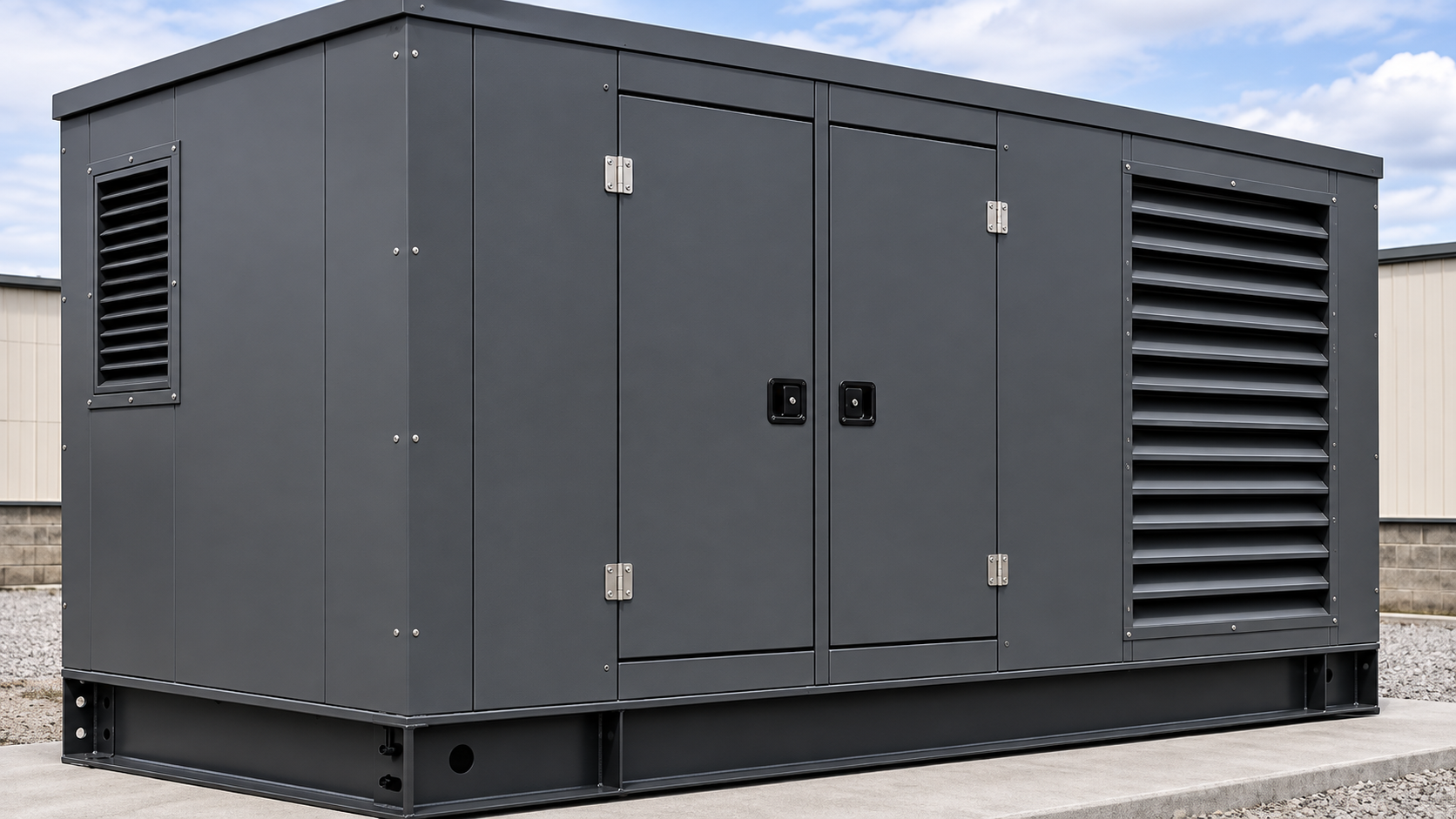
Airflow and exhaust requirements remain critical when a permanent generator is installed inside or near an added enclosure. A permanently installed standby generator creates a different design problem from a portable unit rolled outside during an outage. An engineered enclosure may be appropriate when the installation has to manage weather exposure, service access, ventilation, and noise together.
A standby generator should be evaluated as installed equipment, not as a portable unit that simply needs another cover. If the unit already has a factory outdoor enclosure, start with the manufacturer’s accessory and installation requirements before adding another layer around it. Those requirements should govern airflow, clearances, exhaust routing, and service access. Permanent installations can also develop problems that outdoor generator covers do not address, including noise that reaches nearby occupants or neighboring properties. Equipment near offices, residences, hotels, healthcare facilities, or property lines may require a separate approach to sound control.
Add Acoustic Control When Generator Noise Is the Problem
Generator noise control can use a barrier, an appropriately designed enclosure, or a combination of treatments suited to the equipment and site. For permanent equipment, outdoor noise control may use either approach depending on the equipment and site conditions.
Cooling air still needs a route through the enclosure. An acoustic louver can add attenuation at that opening without eliminating the air passage the equipment requires. Barrier placement has to change the direct sound path, and its location relative to the generator and the affected property directly influences how well the barrier can work. Persistent generator noise may require a solution designed around the equipment, its airflow needs, and the surrounding property.
Get the Right Generator Noise-Control Strategy
Outdoor generator noise problems need to be evaluated in the context of the equipment, airflow requirements, and surrounding property. Commercial Acoustics can evaluate the noise path and help determine an appropriate approach for permanent outdoor installations. Contact us today for more information.