
Effective Ways to Approach Generator Noise Reduction
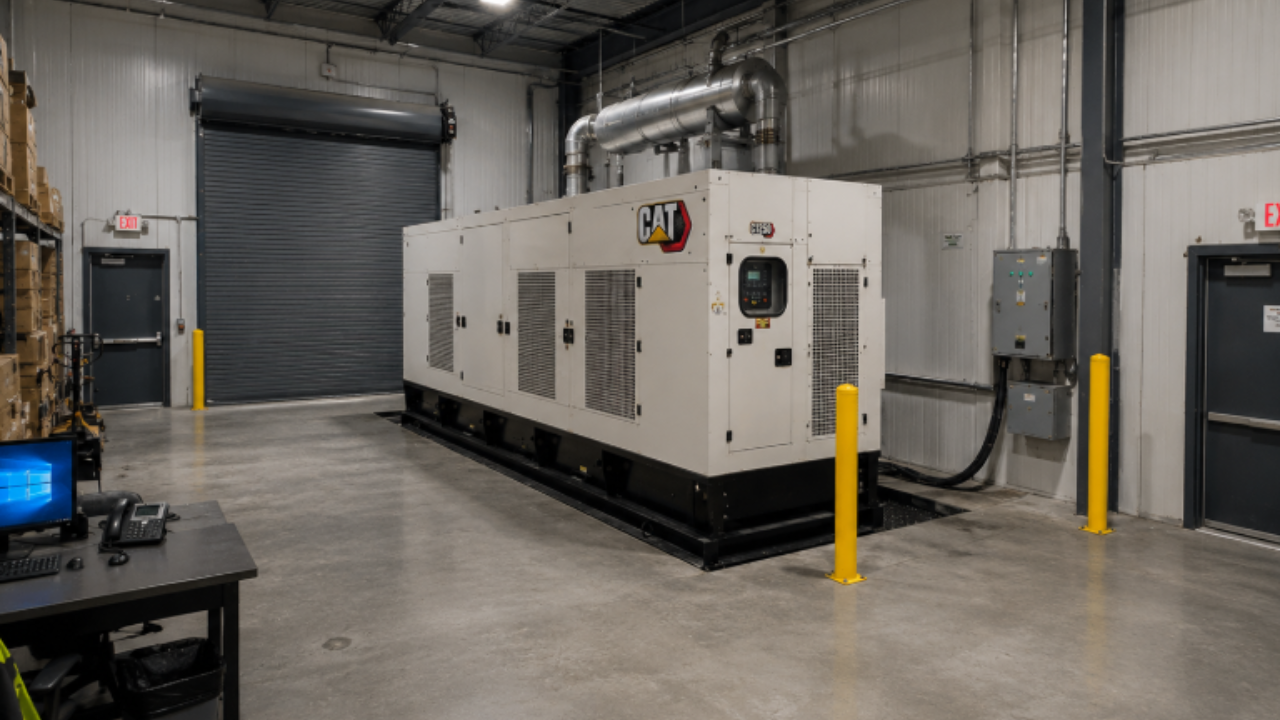
A generator can be doing exactly what it is supposed to do and still create problems around the site. The noise reaches nearby people, and the vibration can carry through the structure, so good generator noise reduction usually depends on more than one control point.
Where Generator Noise And Vibration Come From
Start by tracking down where the noise is actually coming from. A generator creates sound from several places at once. The engine adds mechanical noise, the fan moves air with its own sound, the intake path can leak noise, and the exhaust line often adds one of the sharpest parts of the whole acoustic profile.
At the same time, the unit sends operating energy into whatever it is mounted on. When that energy passes into a rigid frame or concrete pad without enough isolation, the result can be rattling, humming, or low-frequency vibration that seems to show up in nearby rooms instead of staying at the equipment itself. What sounds like one loud generator problem usually includes airborne noise and structure-borne vibration at the same time.
Why Partial Fixes Leave Noise Behind
That is why a partial fix often leaves one of the main problem paths untouched. A barrier may cut some direct sound, but it will not stop vibration from moving into the structure. Pads may calm the mounting point, but they will not do much for exhaust noise or sound leaking through an untreated opening. From there, the job is matching the response to the paths carrying the most energy, because the generator noise path tells you what needs attention first.
Generator Noise Reduction Often Starts With The Mounting Path
Mounting is one of the first places to look because vibration control can change how the whole installation behaves. Generators that sit directly on rigid supports tend to send more energy into nearby surfaces, especially when the unit cycles regularly or operates near occupied spaces. Isolation pads, spring mounts, or other properly selected isolation hardware can interrupt that path and keep the supporting structure from acting like an extension of the machine.
In practical terms, that usually means fewer rattles, less low-end rumble, and less noise turning up in places it should not. For many facilities, this is where the work stops feeling theoretical and starts turning into a noticeably calmer installation.
The Isolation Method Has To Match The Unit
The mounting details matter because vibration products are not interchangeable. A pad that looks substantial may still be the wrong fit for the generator weight, operating profile, or support condition. Contractors and facility teams do not need to get buried in equations to make a good decision, but they do need to understand that matching the isolation method to the unit is part of the job. A support system that is too stiff may pass more vibration than expected, while a poorly matched setup can create movement problems of its own. The goal is steady support with controlled energy transfer, not a generic cushion under the skid.
Containing Airborne Noise With The Right Enclosure
Once the mounting path is under control, the next major layer is containing what still escapes through the air.
Why Enclosure Details Matter
A purpose-built enclosure can contain and absorb a large share of airborne noise, which is why industrial sound enclosures show up so often in effective generator projects. The key is using an enclosure designed for sound control and generator operation at the same time. That means the wall construction, door seals, access points, penetrations, and service clearances all have to support acoustic control without making the equipment harder to run or maintain.
Commercial-grade enclosures can reduce generator noise by roughly 20 to 35 decibels when the enclosure, airflow treatment, and installation are designed to work together. Handle those details well, and generator noise reduction is more likely to hold up because the sound is being checked before it gets out into the surrounding area. The inside of the enclosure matters too, since sound-absorbing materials help keep noise from building up and pushing back out through weak points.
Why Improvised Covers Usually Fall Short
Improvised fixes usually fall short here. A makeshift cover or lightly built shell may block part of the direct line of sound, but it can also trap heat, restrict access, or leave obvious weak points where noise escapes. Cable entries, panel edges, and maintenance openings matter more than they look at first glance, and facilities dealing with routine testing, long runtimes, or sensitive neighboring spaces usually need something more deliberate than a temporary barrier set near the unit.
Exhaust And Ventilation Need Their Own Attention
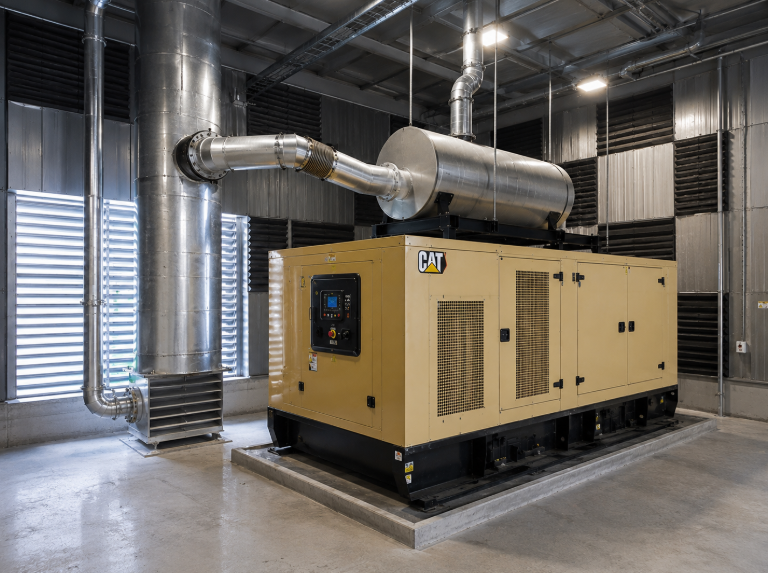
Exhaust treatment deserves its own attention because exhaust noise tends to cut through the overall sound profile in a way people notice immediately. Even after the generator body is isolated and enclosed, the exhaust line can keep the setup sounding harsh if it is left untreated. A properly selected silencer or muffler can reduce that part of the problem while still allowing the generator to operate as intended. In a lot of setups, the exhaust path is still one of the loudest outlets after the larger body noise is under better control.
Ventilation can create the same kind of problem. Generators need airflow, and those openings can become direct sound leaks when they are left wide open acoustically. That is where baffled paths, acoustic louvers, and other controlled airflow details start to matter. The job is to let the generator breathe without giving noise a clean exit path. Facility managers do not need to think about that as an abstract acoustics lesson. They need to know that cooling air and noise control have to be planned together or the opening meant to protect the equipment can undo the rest of the noise work.
Placement Still Changes The Outcome
Placement can also change the result more than people expect. A generator near hard reflective surfaces can sound worse than the same unit in a better location because walls, pavement, and nearby building faces throw sound back toward listeners instead of letting it dissipate. Exhaust direction matters too. So does the path between the generator and the nearest office, residence, or property line.
Work Through The Control Layers In Order
Put all of that in order, and the job gets easier to work through. A good generator noise reduction plan then moves through the work in a practical order. From there, the work moves through mounting stability, airborne containment, exhaust treatment, and airflow control before turning to surrounding surfaces and placement.
Projects that need stronger generator sound attenuation usually move through that order instead of betting everything on one product. Facilities that skip one of those layers often end up circling back later. The generator may sound better at the unit but still cause complaints across the property line, the enclosure may perform well on paper while vibration keeps shaking nearby structure, and the mounts may cut down on transmitted rumble while intake or exhaust noise remains the first thing everyone hears.
Effective generator noise reduction usually comes from working the problem from a few angles instead of hanging the whole outcome on one product.
Get Help From Commercial Acoustics For The Right Noise Control Plan
When generator noise and vibration keep causing complaints, it helps to work with a team that can match isolation, enclosure design, and sound attenuation methods to the installation. Commercial Acoustics can help evaluate the setup and point you toward an approach that fits the space, the operating conditions, and the level of control the project needs. Contact us today for more information.
Frequently Asked Questions
What Causes The Most Noise In A Generator Setup?
Generator noise usually comes from several sources at once, including the engine, cooling fan, intake path, exhaust system, and vibration moving into the supporting structure. That is why the loudest part of the setup is not always the same from one site to another.
Do Isolation Pads Reduce Generator Noise?
Isolation pads can help reduce vibration transfer into the frame, slab, or surrounding structure. They are useful for controlling rattling and low-frequency rumble, but they do not replace enclosure or exhaust treatment.
Will An Enclosure Quiet A Generator By Itself?
An enclosure can reduce a large share of airborne noise, but it does not automatically solve the whole problem. Exhaust noise, ventilation openings, and vibration transfer can all keep the setup sounding loud if they are left untreated.
How Do You Reduce Exhaust Noise From A Generator?
The usual approach is to use a properly selected silencer or muffler that fits the generator and operating conditions. Exhaust treatment works best when it is part of a broader noise-control plan rather than the only fix in the system.
Why Does Generator Vibration Matter So Much?
Vibration can travel into nearby building elements and turn into rattling, humming, or low-frequency rumble away from the generator itself. That is one reason a unit can still create complaints even after part of the airborne noise has been reduced.