
Industrial Acoustic Enclosures: Reducing Machinery Noise in Industrial Settings
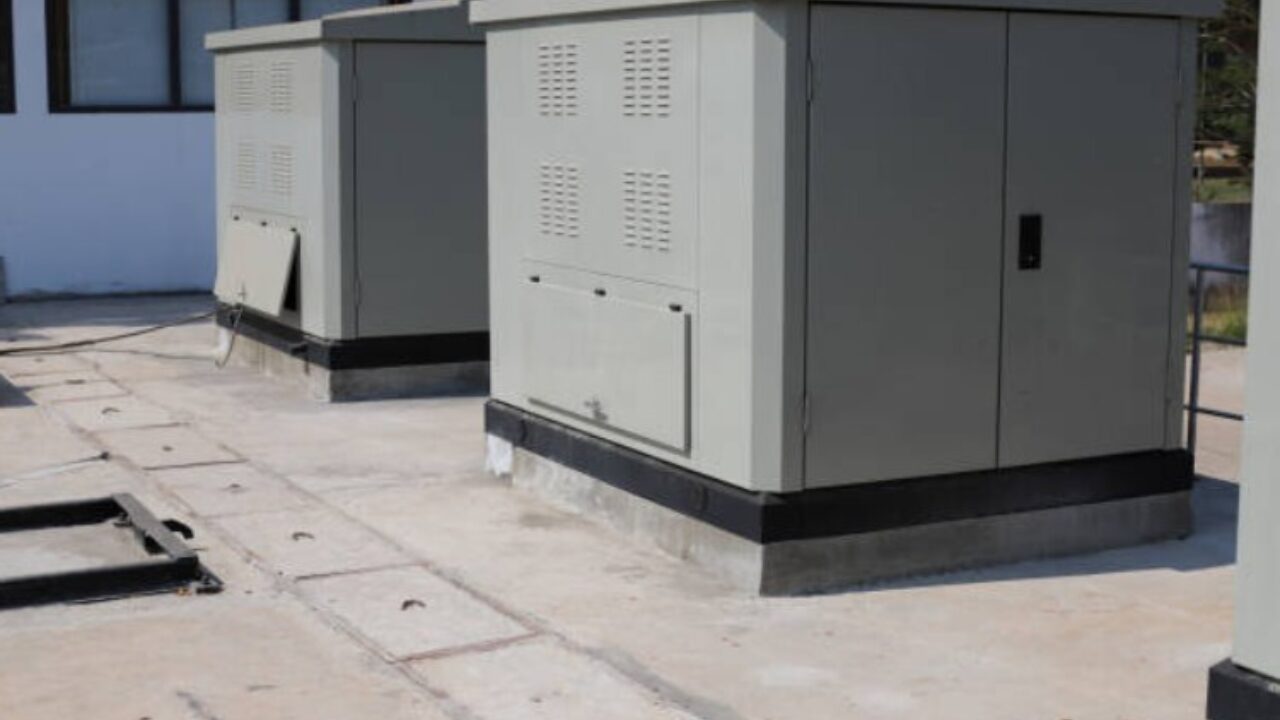
Noise from major industrial machinery threatens worker safety and compliance. Generators, compressors, pumps, and fans drive operations, yet their noise often exceeds safe levels for workers. The solution is not to reduce productivity but to control noise at its source, which is where industrial sound enclosures provide engineered barriers that limit transmission without restricting equipment access.
What Are Industrial Acoustic Enclosures?
Industrial acoustic enclosures are structures built around machinery to contain and absorb noise. They are not temporary panels or lightweight barriers; they are purpose-designed systems that can be tailored to fit the specific footprint and performance needs of a facility.
A properly designed sound enclosure reduces noise exposure in adjacent work areas, ensures sound levels meet compliance thresholds, and extends the usability of high-value equipment by protecting both people and processes. Contractors, engineers, and facility managers rely on them when addressing persistent sound problems that cannot be solved with distance alone.
Why Noise Control Matters in Industrial Facilities
Effective noise management in industrial environments is key to protecting worker health and maintaining compliance.
Worker Safety and Health Risks
Noise exposure is one of the most common workplace hazards.
- OSHA requires hearing protection plans when employees are exposed to noise levels averaging 85 dBA or higher over an eight-hour shift.
- Industrial equipment such as large compressors or backup generators can easily exceed those levels.
- Without mitigation, workers face elevated risks of hearing loss, fatigue, and stress-related health effects.
- Engineered noise reduction enclosures provide a direct method to cut this exposure by lowering decibel levels before they ever reach the operator or work floor.
By investing in noise reduction at the equipment source, companies avoid the long-term costs of medical claims and productivity losses.
Compliance and Regulatory Drivers
Compliance is another driver for installing noise enclosures. Many municipalities set maximum noise levels for facilities operating near commercial or residential areas. Even within industrial zones, excessive sound can create conflicts with neighbors or trigger fines from local regulators.
A noise reduction enclosure demonstrates that the operator is serious about meeting community and regulatory standards. This approach permits companies to maintain required production levels from industrial machinery without exceeding permissible noise limits.In this way, acoustical enclosures are strategic, ensuring business continuity in environments where sound exposure is heavily scrutinized.
Benefits Beyond Compliance
The benefits extend beyond meeting regulations.
- Environments with high background noise make communication difficult, slow down maintenance work, and increase the risk of accidents.
- By lowering ambient sound, an acoustic enclosure improves speech intelligibility and allows workers to stay focused.
- In facilities where precision tasks or monitoring are required, this quieter environment translates into higher efficiency and fewer errors.
- Safety planners often emphasize that soundproof enclosures serve dual purposes: protecting workers and enhancing overall operational performance.
Materials and Configurations of Acoustic Enclosures
Materials play a major role in how these enclosures perform.
- Carbon steel is often selected for its durability in demanding industrial settings, where impact resistance and longevity are priorities.
- Stainless steel is used in environments where corrosion resistance is essential, such as chemical plants or food processing facilities.
- Fiberglass composites may be specified for lighter-weight applications or where non-metallic construction is preferred.
Inside the walls, acoustic insulation layers absorb sound energy, preventing reverberation within the enclosure and limiting transmission through the structure. The result is a barrier that does not just block noise but actively attenuates it.
Single-Wall vs. Double-Wall Systems
Configurations vary depending on the performance required. Single-walled enclosures provide a basic level of isolation and are suitable for equipment with moderate sound output. Double-walled systems introduce an air gap and additional insulation, which increases transmission loss and delivers stronger noise reduction.
The choice between these options depends on the decibel reduction targets established during design. For example, a pump enclosure may only need to reduce levels by 10 dB, while a generator enclosure in a residential area may require reductions closer to 25 dB. By tailoring wall construction, engineers can design enclosures that meet performance goals without unnecessary cost or bulk.
Customizable Features for Performance and Accessibility
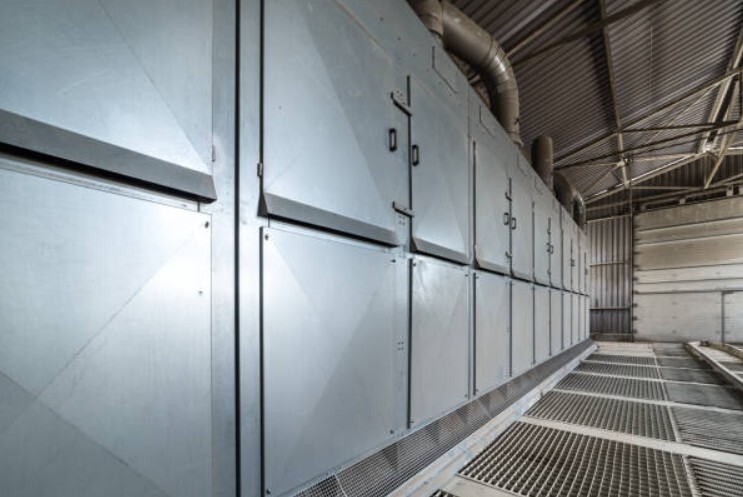
Customization is another defining feature of modern industrial sound enclosures.
- Access doors are integrated so maintenance personnel can reach equipment safely without dismantling the structure.
- Windows may be installed for visual monitoring where continuous oversight is required.
- Ventilation systems are engineered to allow airflow while maintaining acoustic integrity, often incorporating silencers or baffles to prevent sound leakage.
Some enclosures include internal lighting, electrical distribution, or fire suppression systems, transforming the enclosure into a fully functional workspace. These details ensure that the noise control solution does not interfere with daily operations but supports them.
Applications of Industrial Sound Enclosures
These enclosures address a wide range of equipment types, each with unique acoustic challenges.
Generator Enclosures
Generator enclosures are among the most common, shielding both standby and continuous-duty units from contributing excessive noise to their surroundings. These are often installed in healthcare facilities, data centers, and commercial buildings where backup power is critical but strict noise limits apply.
Compressors and Pumps
Compressors and pumps also benefit from acoustic enclosure systems, particularly in manufacturing plants where multiple units run simultaneously. By isolating these machines, facilities reduce background noise and protect workers from continuous exposure to mid-frequency sound.
Industrial Fans and Blowers
Industrial fans and blowers, which can produce high-frequency noise across large spaces, are another prime candidate for isolation. In each case, industrial sound enclosures are tailored to the footprint and acoustic profile of the equipment, delivering targeted noise reduction where it is needed most.
Setting Expectations for Noise Reduction
The term soundproof enclosure is sometimes used, but in practice, no system eliminates sound entirely. Instead, the goal is to reduce noise levels to safe and acceptable limits, typically cutting decibels by a measurable margin that allows the equipment to operate without disrupting the surrounding environment.
This distinction matters because it shapes expectations. A well-designed industrial sound enclosures system will not make equipment silent, but it will reduce harmful exposure to within OSHA or local ordinance thresholds. Engineers and facility managers evaluating acoustic enclosures should focus on performance ratings, not promises of complete silence.
Long-Term Durability and Performance
Noise enclosures must also account for long-term performance. Acoustic panels inside the enclosure should resist sagging or moisture absorption that could compromise attenuation. Structural materials need coatings or finishes appropriate to the environment, whether powder-coated steel for general industry or stainless alloys for corrosive atmospheres.
Ventilation systems must maintain proper airflow so that engines or compressors do not overheat. These design considerations reflect why acoustical enclosures are more than a box around equipment; they are engineered systems intended for years of continuous operation under demanding conditions.
Commercial Acoustics’ High-Performance Solutions
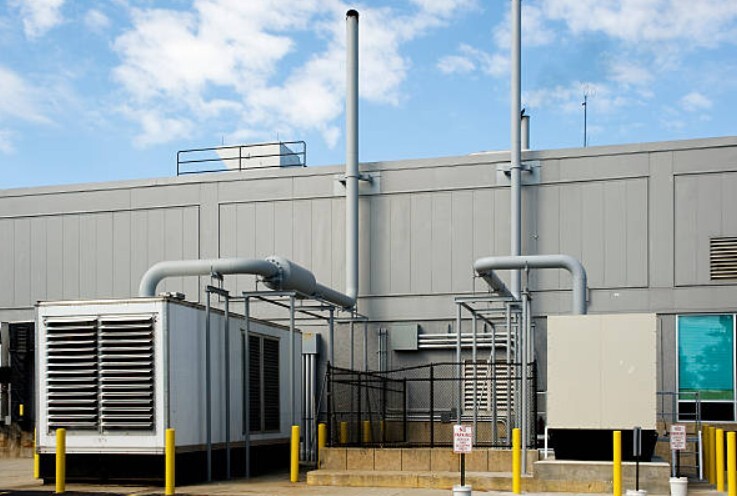
Commercial Acoustics delivers engineered systems that combine proven acoustic performance with long-term serviceability.
Custom Design and Engineering
Commercial Acoustics develops high-performance solutions that address complex noise challenges across industrial settings.
- Its custom industrial sound enclosures balance noise reduction with accessibility, allowing equipment to remain fully serviceable.
- For projects requiring field integration, the company offers modular access systems and pre-engineered duct connections that simplify maintenance sequencing while maintaining acoustic integrity.
By incorporating lab-tested components matched to the application—acoustic linings, airflow silencers, isolation mounts—these systems achieve reliable attenuation backed by proven performance.
Full Range of Solutions
Facility managers can review a broad range of equipment enclosures that demonstrate the company’s capabilities. Broader applications in industrial noise control support manufacturing, power generation, and commercial operations. For projects requiring component-level integration, acoustical panels provide the building blocks for customized systems. Whether the challenge is reducing generator noise in a dense urban setting or isolating pumps in a water treatment plant, Commercial Acoustics applies consistent engineering rigor to deliver safe, compliant results.
Trust Commercial Acoustics for Custom Enclosures that Ensure Compliance
Commercial Acoustics delivers engineered noise control systems designed to meet OSHA thresholds and local ordinance requirements without sacrificing equipment accessibility. Each enclosure is configured to reduce harmful sound exposure, maintain operational continuity, and support long-term regulatory confidence. Contact us today for more information.